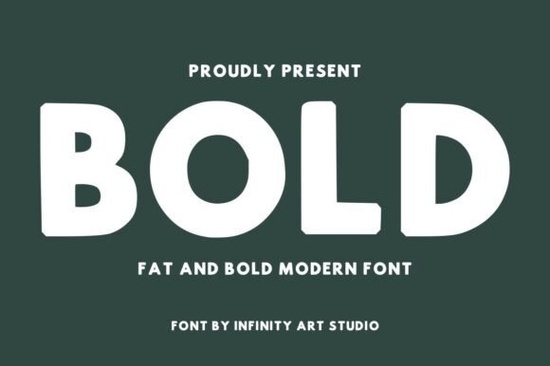
If you're searching for a typeface that makes an instant impression, a bold font is one of the most reliable tools in any designer's toolkit. The Bold Fat Modern Display Font is built with thick, heavy letterforms that grab attention without looking cluttered. Its clean, minimal construction keeps things readable while still packing a punch something that's surprisingly hard to find in display typefaces.
Whether you're designing a logo, building out social media posts, or creating mockups for a print-on-demand shop, this typeface gives you a strong starting point. Let's look at what makes it worth using and where it fits best.
What Is a Bold Display Font Used For?
A bold display typeface is designed to be noticed. Unlike body text fonts that focus on readability at small sizes, display fonts are made for headlines, titles, and short bursts of text that need to stand out. The Bold Fat Modern Display Font falls squarely into this category its thick strokes and modern proportions make it a natural fit for:
- Logo design clean enough for brand marks that need to scale well
- Poster and flyer layouts big, confident letterforms that read from a distance
- Social media graphics strong enough to pop in a crowded feed
- Packaging and labels gives products a modern, polished look on shelves
- T-shirt and merchandise designs works especially well as a standalone typographic piece
- Website headers and banners adds weight and presence to web layouts
For print-on-demand sellers specifically, a dependable bold typeface saves time. You can drop it into a design template, pair it with a simple graphic, and have a sellable product ready in minutes.
How Does It Compare to Other Display Fonts?
There are plenty of display fonts out there, and choosing the right one depends on the mood you're going for. If your project calls for something with a Western or vintage athletic feel, a varsity-style display typeface might be a better match. For designs that need an edgier, worn texture, a grungy distressed typeface adds that raw, handcrafted quality.
On the other hand, if you want something that stays modern and versatile, this bold display font keeps things straightforward. Its strength is simplicity no decorative extras, no overly stylized curves. Just strong, thick letterforms that do their job well. For designers who also appreciate clean Arabic-inspired typography, a typeface like Abrar offers a different but equally refined approach.
If you're working on school-related designs or mascots, an outline display font with a collegiate feel could complement this bold font nicely in a pairing. Mixing a heavy title font with a lighter secondary typeface is a common technique that keeps designs balanced and easy to read.
Who Will Get the Most Out of This Font?
This typeface is built for people who need bold typography without fuss. That includes:
- Freelance designers working on branding projects with tight deadlines
- Print-on-demand sellers creating text-based designs for platforms like Merch by Amazon or Redbubble
- Small business owners making their own social posts, menus, or signage
- Crafters and hobbyists using Cricut or Silhouette for vinyl projects and wall art
- Content creators who need consistent, eye-catching thumbnails and graphics
The modern, minimal style means it won't clash with most design aesthetics. It works in both black-and-white layouts and colorful compositions, which makes it a practical addition to any font library.
Does It Work Well at Different Sizes?
Yes and that's one of its key strengths. Some thick, chunky fonts lose legibility when scaled down, but this one holds up reasonably well at medium sizes too. At large sizes, the bold weight really shines and creates that strong visual presence display fonts are known for. At smaller sizes, it remains readable enough for subheadings or short call-to-action text.
That said, it's not designed for long paragraphs or body copy. Use it where it belongs in headlines, titles, and feature text and it will serve you well.
Quick Tips for Pairing This Font
A bold display font works best when it's balanced with a simpler companion. Here are a few pairing ideas:
- Use a light-weight sans-serif for body text underneath bold headlines
- Try a simple serif font for a classic-meets-modern contrast
- Combine it with a handwritten or script font for creative, casual designs
- Keep the color palette limited two to three colors max so the typography stays the focal point
You can explore more options for bold typefaces on Bold Font over at Creative Fabrica.
Before You Download A Quick Checklist
- Confirm the license fits your project check whether it covers commercial use, print-on-demand, and digital products
- Test it at multiple sizes in your actual design software before committing
- Pair it with one or two complementary fonts to create a complete typographic system
- Check the character set make sure it includes the symbols, numbers, and language support you need
- Save it in an organized font folder so you can find it quickly when a project calls for strong, confident headlines
If you work on bold, text-heavy designs regularly, having a go-to thick display font like this one ready in your collection makes the design process noticeably faster.
Try It Free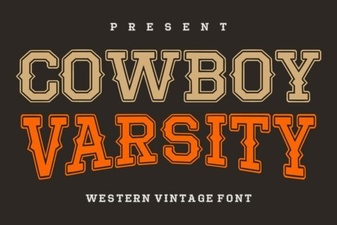 Cowboy Varsity Font - Bold Western Display Typeface
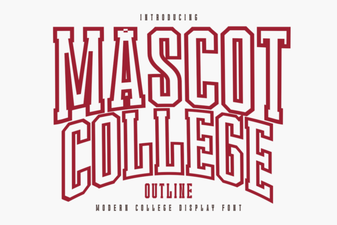 Mascot College Outline Font for Creative Design Projects
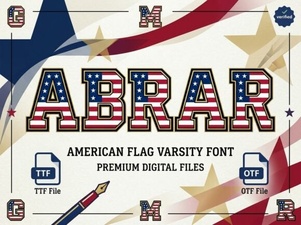 Abrar Font – a Creative Arabic Typefaces for Modern Design
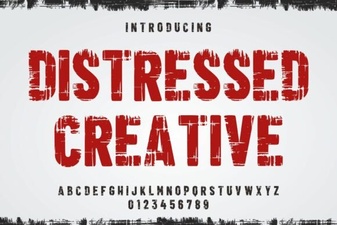 Best Distressed Creative Fonts for Bold Design Projects
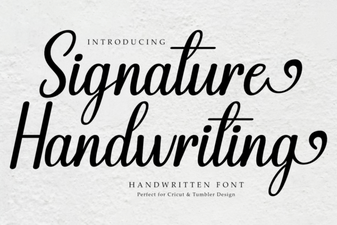 Elegant Signature Fonts for Creative Projects
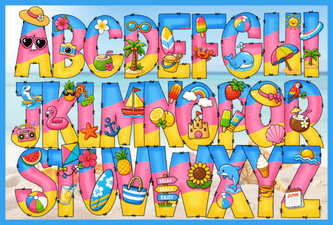 Hi Summer Font: Breezy and Playful Typography for Creative Designs